(Originally published in the INDEPENDENT, October, 2005)by Jim McAllisterThe date is
January 1, 1971. At 11:59 p.m. on
"The Tonight Show Starring Johnny Carson", a commercial runs for
Virginia Slims cigarettes. This commercial is significant since it is the last advertisement for cigarettes ever run on television thus ending a long run of cute ads and jingles designed to impress the public with the virtues of smoking.
If you are a certain age, you probably remember most of these ads: There was, "I’d walk a mile for a
Camel", "You get a lot to like with a
Marlboro; filter, flavor, flip-top box" (You can also get lung cancer as two of the handsome, rugged,
Marlboro men found out), "Smoke
Kent with the micronite filter", and
"Winston tastes good like a cigarette should". When chastised by English teachers for using bad grammar (using "like" instead of "as") Winston replied, "What do you want, good taste or good grammar?" I never heard the teachers complain about, "Us
Tareyton smokers would rather fight than switch" which is equally bad grammar. But, would smokers really care as long as they had their precious smokes? There was
Willie the Penguin proclaiming: "Tired of hots? Smoke Kools",
Oasis touting, "Smoke the big O",
Old Gold with their dancing packs and on and on, ad infinitum.
When radio station
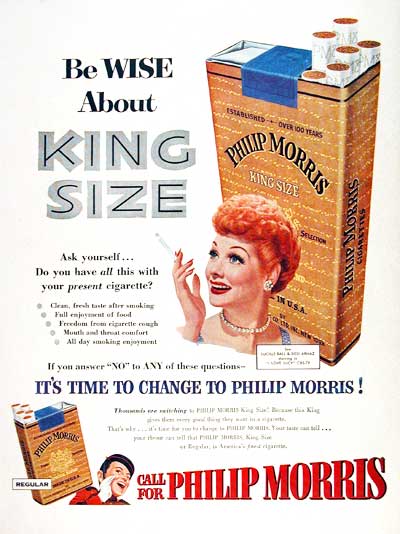
KDKA in Pittsburgh came on the air with commercial radio in 1919, a new medium was established for companies to advertise their products. Cigarettes had been popular in print ads for years. Radio, and later television, would become natural outlets for their messages.
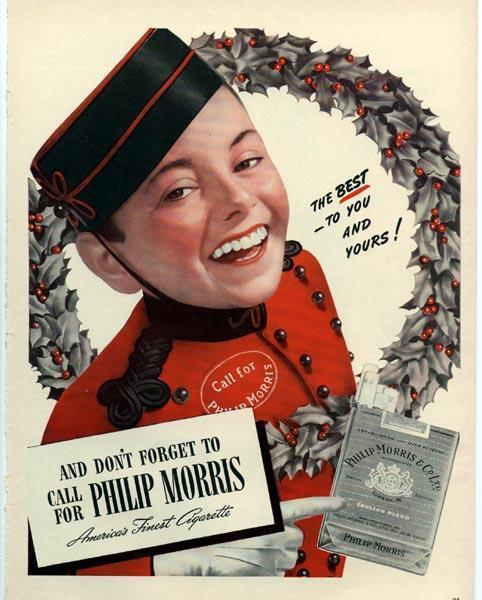
1933 was a fateful year for young 22 year old Johnnie Roventini. In April of that Depression racked year, Johnnie was a bellboy working at the
Hotel New Yorker in
New York City. Johnnie enjoyed a bit of fame as he was considered, at four feet in height,
"the smallest bellboy in the world" and featured as such on the hotel’s postcards. One evening
Alfred E. Lyon, Vice President of Sales for
Philip Morris cigarettes and
Milton Biow, President of the advertising agency that handled the Philip Morris account, happened to be in the lobby of the New Yorker. They had quite a task ahead of them: How to increase sales of a little known cigarette brand. They had already established a logo of a snappy bellboy shouting the merits of their brand but felt that they needed a live version to further establish the Philip Morris name. Enter Johnnie Roventini. As a bellboy, he was required to call out guest’s names in the lobby if those individuals had messages. A routine task for many, Johnnie poured his heart and soul into calling the guest’s names. He did it in such a convincing manner that he made the person feel like the most important person in the hotel! When Lyon and Biow heard Johnnie, they decided to give him a radio audition without letting him know. They gave him a dollar and asked him to page,
"Mr. Philip Morris." After a few calls of
"Call for Phil-lip Morr-ees" echoed through the New Yorker lobby, they knew they had their spokesman.
When offered the job of saying, "Call for Philip Morris" over the radio, Johnnie was a bit reluctant to accept. Radio was still fairly new and he was making $25 per week at the hotel, good money in 1933. He did eventually take the job and became an advertising icon for over forty years completing his Horatio Alger journey with his death at
88 in 1998.
 Tommy Rettig as "Jeff